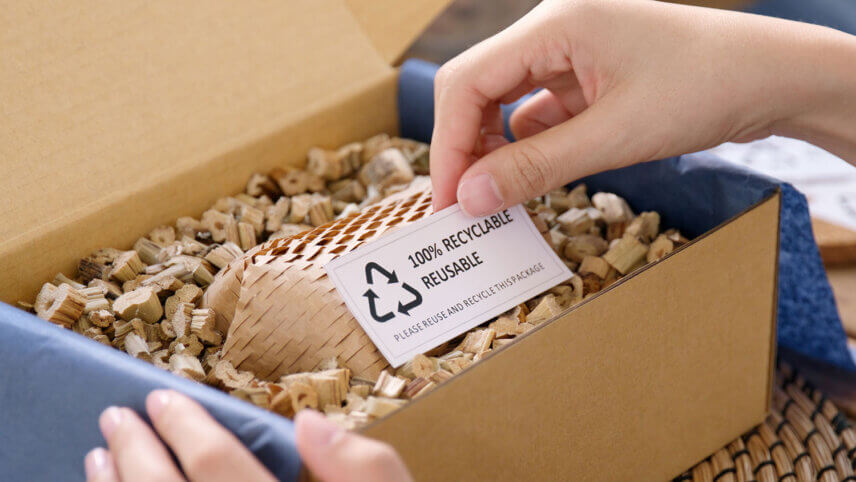
In today’s world, sustainability is no longer just a buzzword—it’s a crucial element driving changes across industries. The packaging sector, which has long been a contributor to global waste, is undergoing a transformation. With increasing consumer demand for environmentally responsible solutions, sustainable packaging has become a key focus for businesses and brands worldwide. This article explores the latest sustainable packaging news, shedding light on the innovations, trends, and strategies shaping the future of eco-friendly packaging.
The Growing Demand for Sustainable Packaging
As environmental concerns rise, consumers are increasingly seeking products with packaging that aligns with their values. Plastic waste, especially single-use plastic, has become a significant environmental issue, leading to the push for alternatives that minimize environmental impact. Sustainable packaging is seen as the solution to reduce waste and carbon footprints while meeting consumers’ needs for convenience and functionality.
In response to this demand, many companies are transitioning from traditional packaging materials to sustainable alternatives. From biodegradable plastics and paper packaging to edible packaging and reusable containers, the packaging industry is embracing innovative solutions that contribute to a circular economy.
Key Trends in Sustainable Packaging
- Biodegradable and Compostable Materials
A growing trend in sustainable packaging is the use of biodegradable and compostable materials. These materials break down naturally in the environment, reducing long-term waste. Companies are increasingly using plant-based plastics, such as polylactic acid (PLA), and natural fibers like hemp and bamboo to create packaging that does not leave a lasting environmental footprint.
Many food and beverage brands are at the forefront of this shift. For example, brands that once relied on single-use plastic containers are now opting for compostable packaging made from cornstarch, sugarcane, and other plant-based materials. This reduces the burden on landfills and supports the move toward a more sustainable, waste-free world.
- Recyclable Packaging Solutions
Recycling has become an essential part of sustainable packaging, as it helps conserve resources and reduce the need for new raw materials. One of the most important trends in sustainable packaging is the focus on making packaging more easily recyclable. Companies are working to simplify packaging designs and use materials that can be processed through existing recycling infrastructure.
For instance, many brands are opting for mono-material packaging—single-material containers that are easier to recycle than multi-material alternatives. This simple yet effective strategy helps improve the efficiency of recycling processes, ensuring that packaging doesn’t end up in landfills.
- Minimalist Packaging Design
Simplicity is gaining popularity in the world of sustainable packaging. Minimalist packaging designs use fewer materials without compromising the safety or protection of the product inside. Brands are also reducing packaging sizes to limit waste and reduce the environmental impact of shipping.
The emphasis on minimalism also reflects the rise of “less is more” consumerism, where consumers value functionality and practicality over excess. Packaging that is easy to open, reuse, or recycle aligns with this growing consumer preference.
- Reusable Packaging
Reusable packaging is another major trend driving sustainable packaging forward. Reusable packaging helps reduce the need for single-use containers by offering durable solutions that consumers can use multiple times. Popular examples include glass jars, stainless steel containers, and fabric bags.
Brands are now designing products with reusable packaging as part of their sustainability strategy. Some businesses even offer incentives for customers to return packaging for reuse, creating a closed-loop system where materials are recycled, refilled, or reused multiple times.
The Role of Technology in Sustainable Packaging
Advances in technology are playing a significant role in the evolution of sustainable packaging. Innovations like 3D printing, smart packaging, and AI-driven material selection are helping packaging manufacturers create more eco-friendly solutions.
For example, smart packaging that uses sensors to monitor product freshness or track waste is becoming more common. By providing real-time data, businesses can minimize food waste and ensure that products are consumed at their freshest, reducing the need for excess packaging in the first place.
Additionally, AI is being used to optimize the use of materials, making packaging more efficient and minimizing waste during production. These technologies not only contribute to sustainability efforts but also help companies save on costs and resources.
Future Outlook for Sustainable Packaging
The future of sustainable packaging looks promising, with continued innovation and growing consumer demand for eco-friendly solutions. As brands embrace more sustainable practices, they not only contribute to environmental protection but also improve their marketability by aligning with consumer values.
Governments and regulatory bodies are also playing a significant role in shaping the future of sustainable packaging. In 2026, stricter regulations are expected to be enforced globally, requiring companies to adopt greener practices in packaging design and production.
Conclusion
Sustainable packaging is no longer a trend; it’s a necessity for businesses looking to align with the values of eco-conscious consumers and make a positive environmental impact. From biodegradable materials to recyclable solutions and reusable designs, the packaging industry is embracing innovation at every turn. The sustainable packaging news today highlights the growing shift toward greener practices that reduce waste, promote recycling, and contribute to a more sustainable future. As we move forward, the packaging sector will continue to evolve, offering new and exciting eco-friendly solutions that benefit both businesses and the planet.


Leave a comment